Articles
Masonry Care Tips: How to Keep Brick, Stone, and Pavers Looking Their Best
Our masonry care tips can help you learn how to clean each stain safely and keep your brick, stone, and pavers looking their best all year.

A dropped burger on the patio. A white, chalky cast after a rainy spring. Green moss creeping along a shady walkway, or brown leaf prints pressed into the pavers every fall. Brick, stone, and pavers are built to handle Ohio weather, but they still need a little care to look their best.
Here’s the good news: most masonry stains are easy to fix if you know what caused them. However, the wrong cleaner (or too much water pressure) can do more damage than the stain itself.
At Hamilton Parker, we help Ohio homeowners choose, install, and care for brick, stone, and pavers every day. These are some masonry care tips for everyday spills, white casts, and the stains nature leaves behind.
Masonry Care Basics: 5 Rules Before You Clean Anything
These five key tips are important to note when taking care of brick, stone or pavers.
- Start gently. Try water and a soft nylon brush first. Step up to a cleaner only if the stain stays put.
- Test a hidden spot. Clean a small, out-of-the-way area and let it dry fully before tackling the rest.
- Pre-wet, then keep it wet. Dampen the surface before applying any cleaner and never let the product dry on it. Dried cleaner causes streaks.
- Go easy on the pressure. Use a 40-degree nozzle, stay 8 to 12 inches away, and skip the zero-degree tip entirely. Soft brick and synthetic stone should be rinsed at about 50 PSI, close to a garden hose.
- Protect your surroundings. Cover plants, metal fixtures, and wood trim with plastic before using any masonry cleaner.
Everyday Spills: Grease, Oil, Rust, and Tar
Life happens on patios and driveways. The faster you act, the easier these stains will be to remove.
Grill Grease, Food Spills, and Driveway Oil
Think drips by the grill, a tipped-over bottle of cooking oil, or a car leaking oil on paver driveways. Blot fresh spills right away (don’t rub them in). For set-in stains, Hot Stain Remover from EaCo Chem lifts food grease, petroleum oil, and carbon from brick, clay pavers, and concrete pavers.
Tip: Use it undiluted on old, heavy stains, or dilute up to 10 parts water to 1 part cleaner for lighter ones. Wear gloves and eye protection, and keep it away from metal.
Fireplace Soot and Smoke Stains
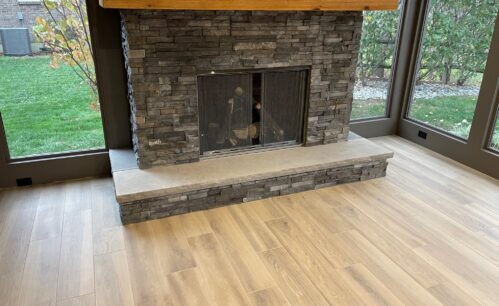
Black soot creeping up a brick fireplace is a carbon stain, so Hot Stain Remover from EaCo Chem handles this one too. Indoors, protect the hearth and floor with plastic, ventilate the room, brush it on, and rinse with a sponge and clean water.
Rust Rings and Hard Water Marks
Metal patio furniture, planters, and sprinklers running well water can leave orange rings and brown streaks behind. OneRestore® from EaCo Chem sprays on and rinses off, lifting rust and mineral deposits from brick, limestone, granite, and plain concrete without scrubbing. Avoid using on colored or tinted pavers and polished stone.
Tar and Sticky Residue
Roofing tar, driveway sealer tracked onto steps, or even the petroleum jelly some homeowners use to keep critters away can leave dark, sticky marks. C-Tar Melt from EaCo Chem softens tar so it rinses away without discoloring the surface. Spray it on, wait about 5 minutes, repeat for thick spots, and rinse with low pressure.
White Casts on Brick and Pavers: What They Are and How to Remove Them
That chalky white cast is one of the most common masonry questions we get, and it usually comes in two forms.
Efflorescence
Efflorescence is a white, powdery film of natural salts. Water soaks into the masonry, dissolves salts inside, and leaves them behind on the surface as it dries. You’ll often spot it on new brick, new patios, and after wet seasons.
Mortar Haze and Smears
Mortar haze is the gray-white film or streaks left behind after brick or stone installation. Unlike efflorescence, it feels gritty and won’t brush away.
How to Remove a White Cast
- Try a dry, stiff nylon brush first. Light efflorescence often sweeps right off.
- For heavier buildup or mortar haze, mix 4 parts water to 1 part cleaner.
- Pre-wet, apply from the top down, and let it dwell 5 to 7 minutes.
- Scrape any mortar chunks, reapply without rinsing, then rinse from the top down at low pressure.
How to Keep It From Coming Back
Efflorescence is a water problem first. Clean out gutters, point downspouts away from brick walls, and make sure patios drain properly. If the white cast keeps returning, it’s worth having a pro look for a moisture source behind the wall.
Nature’s Stains: Moss, Leaves, and Weather
Masonry lives outdoors, so nature leaves its mark. Most of these stains respond to gentle cleaning and a few smart habits.
Moss, Algae, and Mildew
Green or black growth loves shady, damp spots: north-facing walls, walkways under trees, and pavers near downspouts. Scrub with a stiff nylon brush and water, then rinse at low pressure. Avoid wire brushes, which scratch brick and leave rust specks behind. Undiluted bleach is a common shortcut, but it can discolor brick and mortar and harm nearby plants.
Prevent it: Trim back overhanging branches to let in sunlight, fix drainage, and sweep debris off pavers so they can dry.
Leaf and Tannin Stains
Those brown leaf-shaped prints on pavers come from tannins, natural dyes released as wet leaves break down. Light tannin stains often fade on their own with sun and rain. To speed things up, scrub with water and a mild detergent, then rinse.
Prevent it: Blow or sweep leaves off patios and walkways often in the fall, especially before rain.
When Nature Needs A Pro
If moss keeps returning, mortar joints are crumbling, or a stain won’t budge after careful cleaning, bring a photo to a Hamilton Parker showroom. Those are often signs of a moisture issue worth a closer look.
Seasonal Masonry Care Checklist
A few minutes each season keeps small stains from becoming big projects.
Spring
- Rinse winter grime and salt residue off brick and pavers.
- After spring rains, check for efflorescence and brush off light buildup.
- Clean gutters and confirm downspouts drain away from walls.
Summer
- Blot grill grease and food spills on the patio right away.
- Move metal furniture and planters occasionally to prevent rust rings.
- Scrub moss or algae in shady spots before it spreads.
Fall
- Sweep or blow leaves off pavers often to prevent tannin stains.
- Trim overhanging branches so walls and walkways dry faster.
Winter
- Shovel instead of chipping ice, which can scar brick and pavers.
Masonry Care FAQs
How do you clean brick without damaging it?
Start with water and a soft nylon brush. If you need a cleaner, choose one made for your stain and surface, test it on a hidden spot, keep the surface wet while it works, and rinse at low pressure with a 40-degree nozzle.
What is the white stuff on my brick or pavers?
It’s usually efflorescence, natural salts left behind as water evaporates from the masonry. Light buildup often brushes off or fades over time. Heavier buildup can be removed with NMD 80®.
How do you remove moss from brick and pavers?
Scrub with a stiff nylon brush and water, then rinse at low pressure. To keep it from returning, let in more sunlight, improve drainage, and sweep debris off regularly.
How do you remove leaf stains from pavers?
Leaf stains are caused by natural tannins. Many fade on their own with sun and rain. For faster results, scrub with water and mild detergent, then rinse.
How do I clean soot off a brick fireplace?
Protect the floor and hearth, ventilate the room, and apply cleaner with a nylon brush. Rinse with a sponge and clean water, and test a small area first.
How do you remove oil stains from pavers?
Blot fresh spills right away. For set-in oil, pre-wet the pavers, apply Hot Stain Remover, let it lift the oil, and rinse with cold water at low pressure.
Can you pressure wash brick?
Yes, with care. Use a 40-degree nozzle, stay 8 to 12 inches away, and never use a zero-degree tip. Soft or surface-dyed materials should be rinsed at about 50 PSI.
Hamilton Parker FAQs
Does Hamilton Parker sell masonry cleaners?
Yes! Hamilton Parker carries professional-grade masonry cleaners, including NMD 80®, Hot Stain Remover, OneRestore®, and C-Tar Melt from EaCo Chem
Where can I get masonry care advice in Ohio?
Visit our Hamilton Parker showroom in Columbus or Delaware. Bring a photo of the stain, and our team will help you find the right product for your surface.