Articles
Preventive Maintenance Tips for Garage Doors
Walkthrough of what to check, how often to check it, and answers to the questions homeowners ask most.
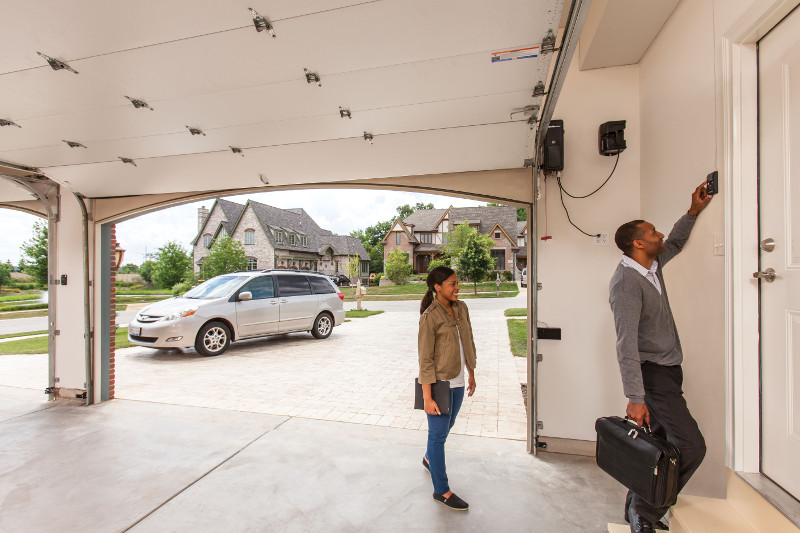
Did you know the average garage door goes up over 1,000 times a year? To ensure your garage door is operating efficiently it’s important to do regular preventive maintenance checks. Nothing is more annoying than a noisy and inefficient garage door. The good news is that most preventive maintenance takes less than 30 minutes and can be done a couple of times a year.
Below is a full walkthrough of what to check, how often to check it, and answers to the questions homeowners ask most.
How Often Does a Garage Door Need Maintenance?
Most manufacturers recommend a full maintenance check only twice a year, usually once in the spring and once in the fall. Temperature swings cause metal parts to expand and contract, and lubricant that worked fine in summer can thicken and slow the door down once temperatures drop.
Replace Battery and Bulbs
One of the top causes for garage door remotes not working is dead batteries. Replace remote batteries at least once a year, depending on how often you use your door opener. If you’re having trouble, you can usually locate an owner’s manual online or call one of our garage door service representatives. Also, don’t forget to replace the garage door opener light bulbs with the size and wattage recommended in the manual as part of your preventive maintenance check.
Lubricate All Moving Parts
Frequent lubrication to your opener springs, chain, and tracks is key to smooth operation for your garage door opener. f you’re hearing a squeak or grinding sound, try applying lubricant to the squeaky spots first to help better identify the cause. This helps you pinpoint the source of the noise before you lubricate everything else. Use a lubricant made for garage doors, such as a lithium or silicone-based spray, rather than a general household oil like WD-40, which can attract dust and grime over time. Once all parts are lubricated, open the door several times to ensure the door is functioning properly.
Tighten Anything Loose
The constant motion of a garage door loosens bolts, brackets, and fasteners over time. Inspect and tighten any bolts or fasteners on moving parts. While you’re inspecting the hardware, look closely at the springs. Garage door springs are under extremely high tension, so any rusting, corrosion, or visible wear could mean it’s close to failing.
Spring adjustment and replacement should always be handled by a trained technician, since a spring under tension can cause serious injury if it releases unexpectedly. Our team of garage door experts can safely inspect and replace springs as part of a full maintenance visit.
Check That Tracks Are Secure
Look for wear in the lift cables attached to the door. Check to make sure sections aren’t cracked or dented, cables aren’t loose or have slack, and springs aren’t wound too tight or too loose. If you notice a gap between the rollers and the track, or the door seems to be pulling to one side as it moves, that’s a sign the tracks need adjustment.
Inspect the Weatherstripping and Seals
This is a step that’s easy to overlook but makes a real difference, especially in Ohio’s colder months. Check the rubber seal along the bottom of the door and the weatherstripping around the frame for cracks, gaps, or areas that have pulled away. Worn seals let in drafts, moisture, and pests, which can raise energy costs and lead to water damage in the garage over time. Seals are inexpensive to replace and typically take less than an hour.
Confirm Door Operation Is Smooth
Once everything above is checked, run the door through a few full open-and-close cycles. It should move at a steady, even pace, not straining or slowing down, and not flying up or slamming down. Listen for any grinding, popping, or scraping sounds, which usually point to a part that still needs attention.
Schedule a Professional Garage Door Tune-Up
Regular preventive maintenance keeps a garage door quieter, safer, and less likely to need an emergency repair. If you’d rather leave the inspection to a professional, or you’ve spotted an issue like a worn spring or misaligned track, our garage door experts can help. Learn more about the services we offer.
Garage Door Maintenance FAQ
What maintenance does a garage door need?
At minimum: lubricated moving parts, tightened hardware, a spring inspection, clean and aligned tracks, and working weatherstripping.
Can I do garage door maintenance myself?
Most of it, yes. Lubrication, tightening visible hardware, cleaning tracks, and testing the safety reverse are all safe for homeowners. Spring adjustment or replacement should always go to a professional.
Do garage door openers need separate maintenance from the door itself?
Yes. The opener has its own moving parts, including the chain or belt drive and the motor, that benefit from a separate check beyond the door’s springs, cables, and tracks.